Singapore
Explore Powerful SEO tools
Try it nowWhat You Can Do with Weber SEO?
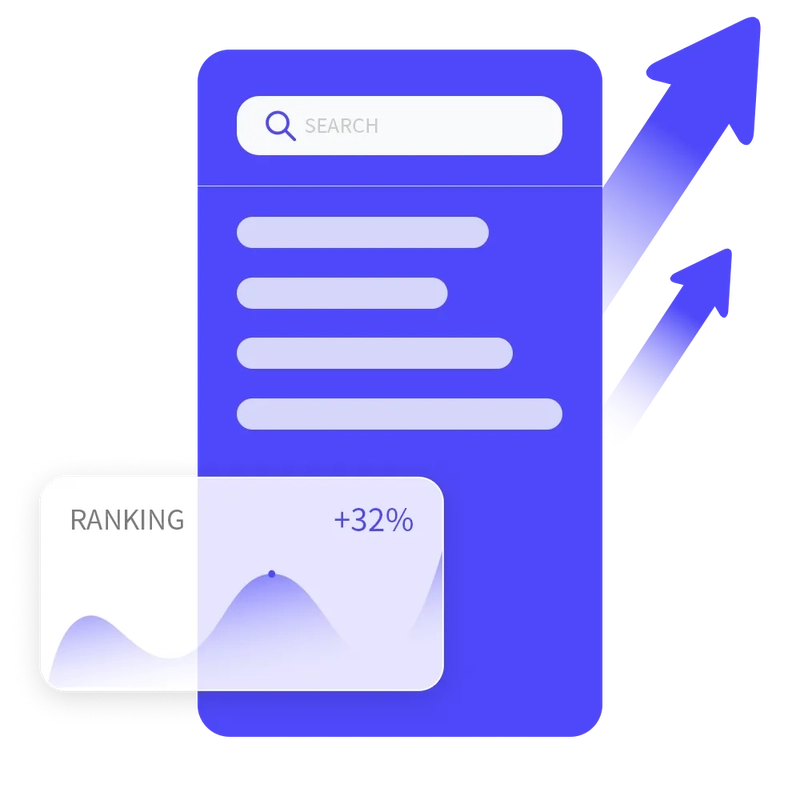
Raise visibility
Every Weber site is built to search engine ranking rules with a strong SEO base. Technical and structural work maximises organic rankings.
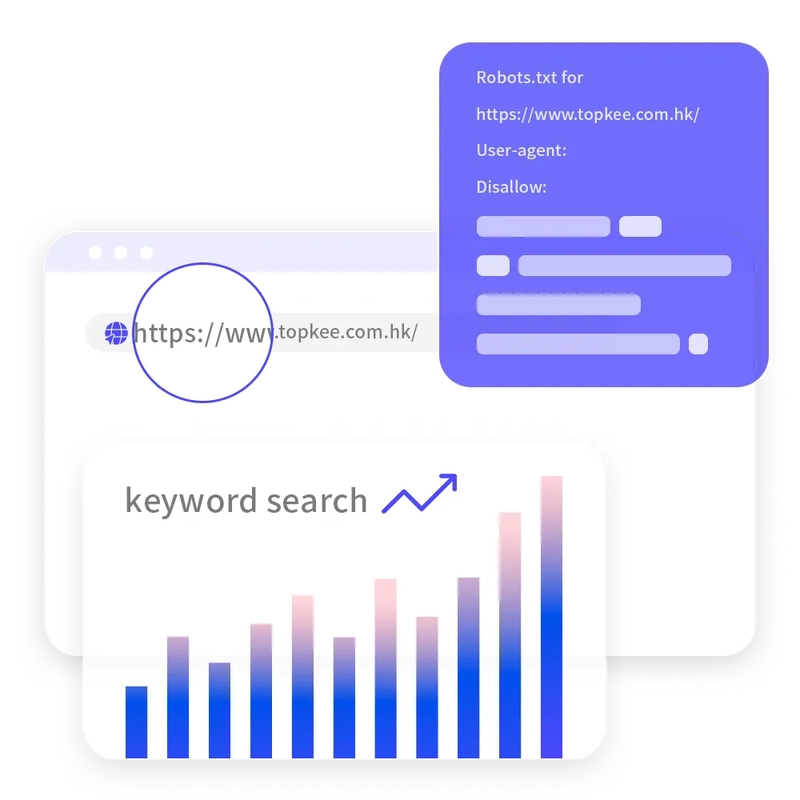
Grow traffic
Set meta tags, URLs, robots.txt and more to tighten the link between your pages and their keywords, so the site performs better in search.
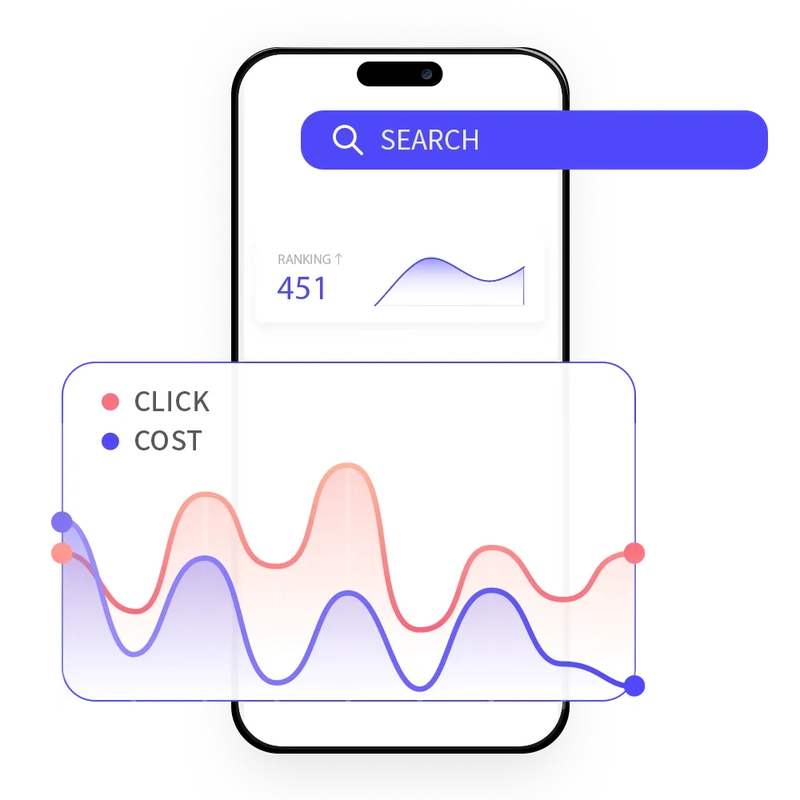
Cut ad costs
A site optimised for SEO ranks higher, keeps pulling traffic and earns a better quality score on SEM. You win higher ad positions at a lower price, which makes every dollar work harder.
The Tools
SEO-ready infrastructure
Weber's foundation lets crawlers reach, read and capture the right information, so search engines understand your content in full.
Custom meta tags
Edit, modify or add page titles, descriptions and OG tags to optimise each page for search.
Robots.txt management
Weber generates a robots.txt file for you. Write instructions in it to tell crawlers what to index and what to skip, which settles problems left by past content changes and points users and search engines to the right pages.
Dynamic XML sitemap
Sitemaps build and maintain themselves, holding full-site data and pages while preserving page relationships. Search engines use them to find and crawl your pages.
Free SSL certificates
Every Weber site gets one. Data in transit is encrypted over HTTPS, which protects user privacy and blocks man-in-the-middle attacks.
Automatic image optimisation
Images compress and convert to WebP, cutting load time without losing quality.
Cross-device compatibility
Pages display properly on phones and tablets, so you appeal to users whatever they browse on.
URL redirects
The URL Redirect Manager sets single-URL redirects by hand in seconds, which keeps duplicate content out of your site.
Site verification
Verify ownership in the domain section and track performance on Bing, Google and Baidu.
Smart caching
Weber caches static pages automatically to shorten load times. Under heavy traffic the site responds faster, server latency drops and browsing stays smooth.
Tracking integrations
Connect Google Analytics and Facebook Pixel without setup friction. Operators watch user behaviour and key indicators closely, then sharpen strategy and improve conversion.
Site analysis
The statistics page tracks visits, orders and revenue, and shows how visitors behave: how many come, how long they stay, which pages they read and where they arrive from.
Keyword research
We analyse keywords and related SEO data in depth: search volume, keyword difficulty (KD), estimated click-through rate and PPC bids. That tells you which keywords carry value and which carry competition.
Keyword ranking tracking
Enter your keywords and your target country's search engines, and Rank Tracker shows where you sit. Refresh the data regularly to watch movement, understand why rankings shift and adjust before a slide costs you.
SEO KPIs
Measure and analyse target keyword performance in one view: ranking position, SERP results, page association and indexing status.
Common Questions
What does SEO do for SEM?
They are separate strategies that reinforce each other.
1.Better SEO lifts SEM. Better structure and content help organic rankings and raise your SEM quality score, which lowers click costs. Keyword research done for SEO also feeds SEM.
2.Wider visibility. SEO lifts organic positions while SEM puts optimised pages into paid results, so pages are seen more and clicked more often.
3.Stronger authority. A brand that ranks well in both organic and paid results reads as authoritative and credible.
4.Better experience. Faster load times and cleaner structure help both channels. A page that opens quickly with clear content converts more when a user clicks a paid ad.
Optimised SEO raises organic rankings and lifts SEM effectiveness and return at the same time.
Can I customise meta tags?
Yes. In Weber's visual editor, open page settings, switch to SEO and edit title, description and URL. Each page can have its own settings.
How do I edit robots.txt?
Weber supports it. Write instructions in the robots.txt editor to set which pages should or should not be indexed and to control crawler requests. To check the file, add "/robots.txt" to your domain (for example, www.domain.com/robots.txt).
How do I view my sitemap?
Add "/sitemap.xml" to your domain (for example, https://www.domain.com/sitemap.xml).
How are images optimised?
Upload an image and Weber compresses it, converts it to WebP and crops it to the size the screen needs, with no loss of quality. Pages load faster and visitors get a smoother experience.
Do the SEO tools track AI search?
Our keyword tracking follows Google search engine rankings. AI search visibility is measured separately, since answer engines do not expose ranking positions. Ask about GEO reporting if AI mentions matter to your brand.

Topkee — Marketing Connected to Revenue
Services
Products
© 2011–2026 Topkee Media. All rights reserved. | Topkee Pte. Ltd. (UEN 202441113M)