Get More Qualified Leads.
Close Faster.
Waste Less Time.



Continuous Improvement, Engineered
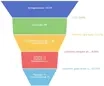
- Phase One: Day 1-7
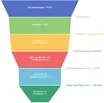
- Phase Two: Day 8 -14
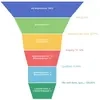
- Phase Three: Day 21 Onwards

Traffic Intelligence
Verify tracking data, monitor performance trends and cut costs to track every click for your B2B lead generation Singapore campaigns.
1. Keyword Optimisation: Add target keywords to ads and landing pages to boost relevance and advertising performance.
2. Ad Quality Upgrade: Remove invalid traffic to improve website leads quality and save budget .
3. Bidding Adjustment: Allocate budget to high-potential groups via data insights for better cost control.
4. Creative Enhancement: Test diverse creatives to find top-performing content fast.
Conversion Readiness
Optimise post-click experience to increase engagement quality, reduce drop-offs, and guide users deeper into the funnel.
1. Landing Page Experience Optimisation: Boost page loading speed, mobile compatibility and content consistency to lower bounce rates and gain valid website leads.
2. Page Content Optimisation: Enrich website content to boost users’ dwell time and identify intent for b2b lead generation Singapore.
Lead Integrity System
Simplify inquiry processes and remove barriers to elevate enquiry quality and conversion for better b2b lead generation Singapore conversion rate.
1. Simplified Inquiry Form: Reduce form complexity and provide clear guidance to lift completion rates, turning more website leads into actual conversions.
2. Rapid Response System: Capture leads instantly through fast replies or automation (YME), reducing drop-offs and improving conversion.
Revenue Conversion Engine
Optimise final-stage conversion by building trust, reducing buyer hesitation and aligning sales processes to convert website leads and close deals faster.
1. Strengthen Proposal Credibility: Use case studies, performance data, and testimonials to reinforce decision confidence.
2. Sales Team Training: Streamline proposal delivery and communication to ensure consistent, high-quality closing.
3. Transparent Quotation: Clarify pricing, service scope and workflow to cut barriers and speed up client decisions for b2b lead generation Singapore.
Traffic Intelligence
Leverage real data to optimise traffic, refine targeting and scale high-intent groups for efficient lead generation in marketing Singapore.
1. Audience Optimisation: Focus budget on high-performing segments and locations based on Week 1 data signals.
2. High-Performance Keyword: Eliminate low-converting terms and expand into high-intent, cost-efficient keywords.
3. Creative Iteration: Refine messaging, hooks, and formats based on CTR and engagement insights to improve click quality.
Conversion Readiness
Enhance on-site experience and trust to boost user intent, pushing website leads closer to enquiry for marketing Singapore.
1. Website Trust Building: Add case studies, testimonials, and authority indicators to improve credibility and user confidence.
2. Multi-Device Layout Optimisation: Improve mobile experience, structure, and navigation to reduce friction and increase engagement depth.
Lead Integrity System
Optimise CTAs and response workflows to lift enquiry rates and guide website leads users toward action with less friction.
1. Call-to-Action Button Optimisation: Refine CTA placement, design and copy to drive more actions for better marketing Singapore.
2. Response Script Optimisation: Refine scripts and automated responses based on real user behaviour to improve lead capture and qualification.
Revenue Conversion Engine
Align marketing and sales, strengthen follow-up systems and prepare for scalable conversion.
1. Market & Promotion Optimisation: Introduce timely offers and positioning strategies to increase conversion intent in marketing Singapore.
2. CRM Data Integration: Structure lead data within CRM (Leadbox) to track, manage, and improve conversion across the funnel.
Traffic Intelligence
Scale high-performing campaigns using proven data signals, expanding reach across channels while maintaining website leads quality and cost efficiency.
1. Performance Max Scale-Up: Grow high-converting audiences via cross-channel remarketing and lookalike groups for marketing Singapore.
2. Keyword Performance Control: Shift budget toward top-performing keywords and audiences.
3. Creative Upgrade: Reinforce winning messaging and continuously refresh creatives to sustain performance and avoid fatigue.
Conversion Readiness
Re-engage high-intent non-converting visitors to accelerate decisions and turn interested users into valuable website leads.
High-Potential Customer Remarketing: Retarget engaged visitors who did not enquire, and tailor messaging based on user interaction depth to increase conversion likelihood for marketing Singapore.
Lead Integrity System
Refine enquiry handling and qualification using real conversion data. Ensuring leads captured are sales-ready and actionable.
Data-Driven Engagement Optimisation: Analyse high-converting enquiries and refine scripts, prompts, and flows to capture better-quality website leads. Improve data collection and conversation flow to ensure leads are relevant and ready for closing.
Revenue Conversion Engine
Maximise revenue by aligning marketing data with sales execution, improving trust, accelerating decisions, and increasing closing rates.
1. Transparency & Trust Building: Use credible case studies and clear offers to reduce hesitation and increase website leads conversion.
2. ROAS-Driven Budget Allocation: Continuously reallocate budget toward high-return campaigns to create a self-optimising growth loop for marketing Singapore.
Every Platform. One Revenue System.
- Google Ads
- Facebook & Instagram Ads
- Yahoo & Bing Search Ads
- Xiaohongshu Ads
- LinkedIn Ads
- Taboola Ads
- TikTok Ads
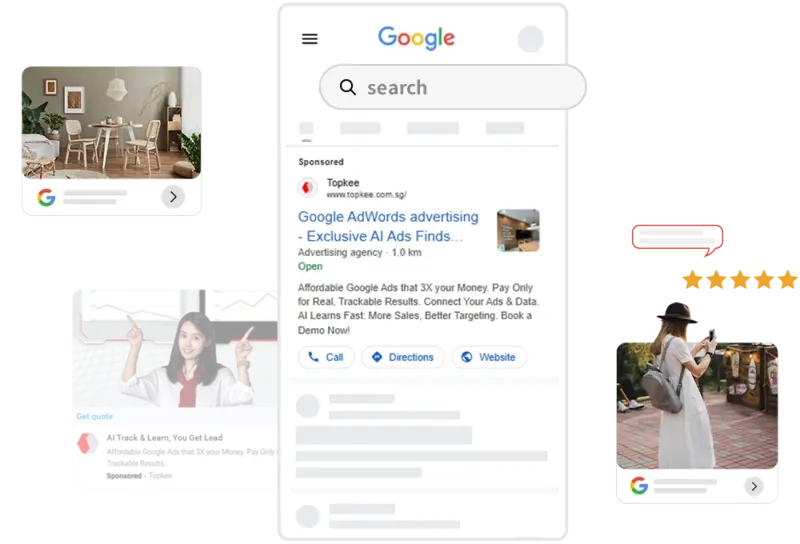
Google Ads targets high-search intent crowds, paired with data retargeting and audience expansion, steadily gains premium website leads and boosts sustainable business revenue.
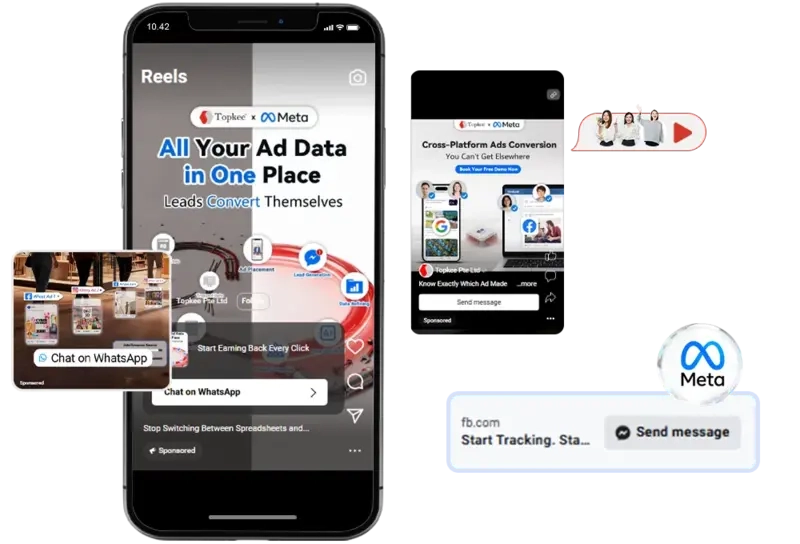
Meta Ads leverages Feed, Stories and Reels for broad visual exposure. It engages audiences and turns viewers into clients, accelerating your b2b lead generation Singapore progress through continuous remarketing.
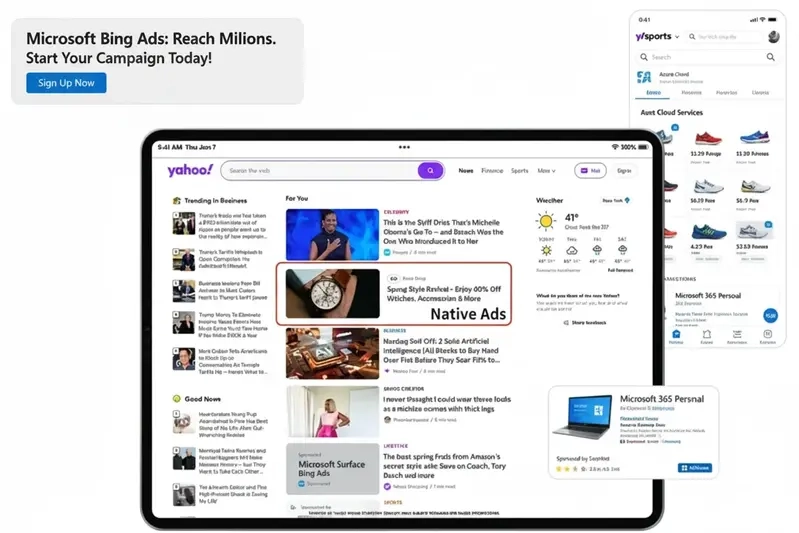
Microsoft (Bing & Yahoo) Ads reaches high-intent audiences in low-competition spaces. It provides cost-effective leads for B2B decision-makers, expands coverage and optimises marketing Singapore alongside Google Ads.
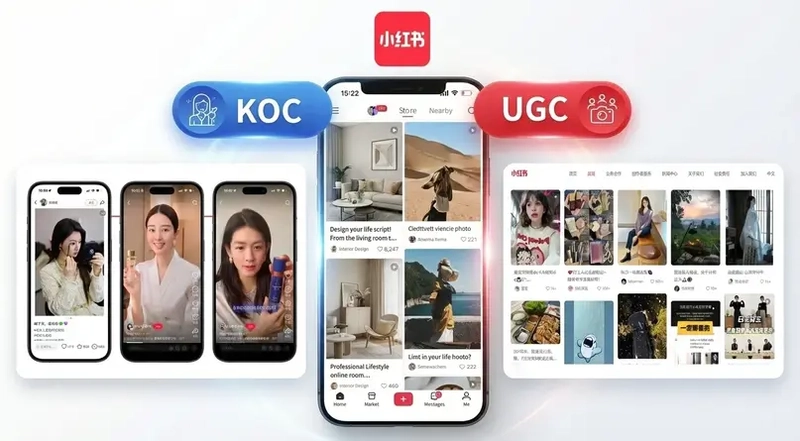
Xiaohongshu (XHS) drives discovery through trust, blending content, community, and commerce into one powerful influence engine. Powered by KOC and UGC, it shapes user decisions through authentic recommendations, making it highly effective for converting interest into action.
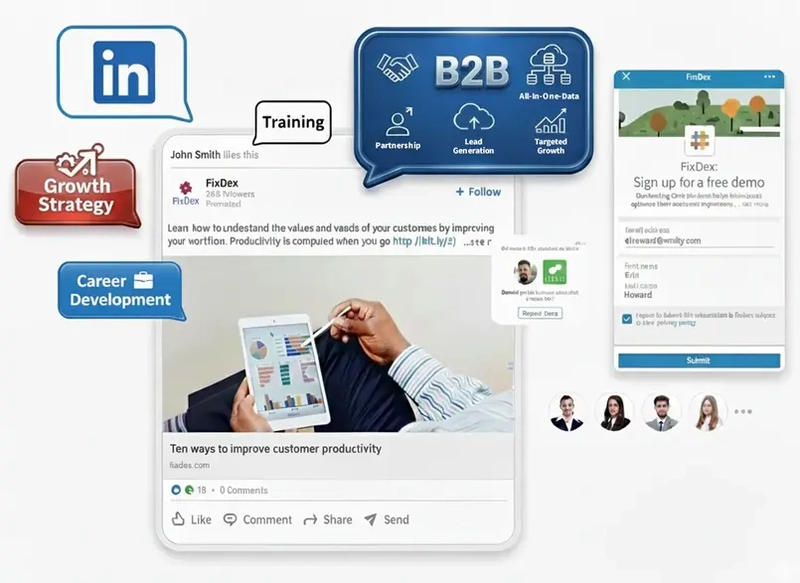
LinkedIn Ads delivers precise targeting for industry and company-level decision-makers based on professional attributes like job role, industry and company size. Tailored for B2B, recruitment and high-value professional services, it effectively generates high-intent qualified leads and improves sales and conversion performance.
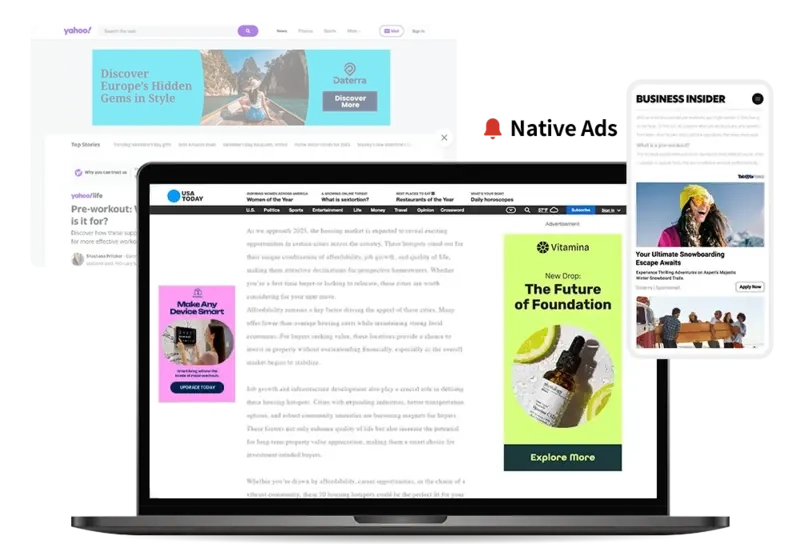
Taboola Ads scale your reach through native content placements across premium media sites, driving large volumes of traffic and early-stage engagement. Ideal for top-of-funnel growth, it turns broad visibility into future leads through continuous retargeting and funnel integration.
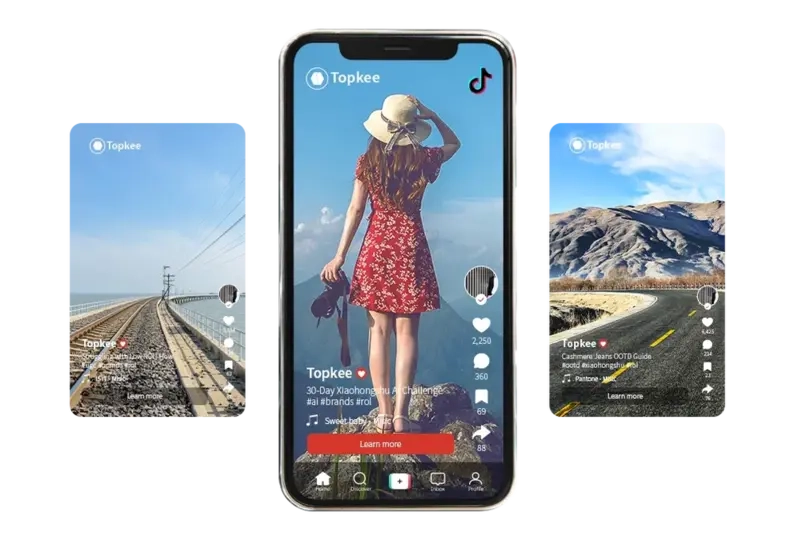
TikTok Ads capture attention where audiences discover, engage, and act. Combined with performance-led creative and conversion-focused optimisation, they drive qualified demand and scalable revenue growth.
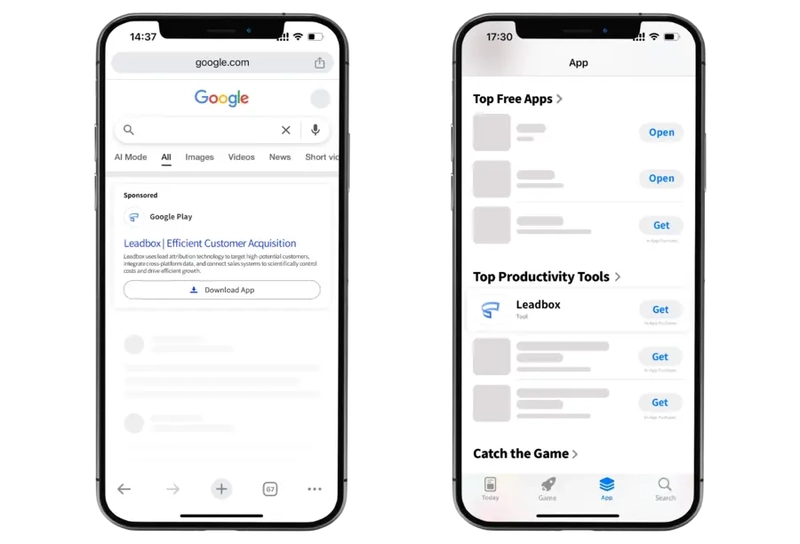
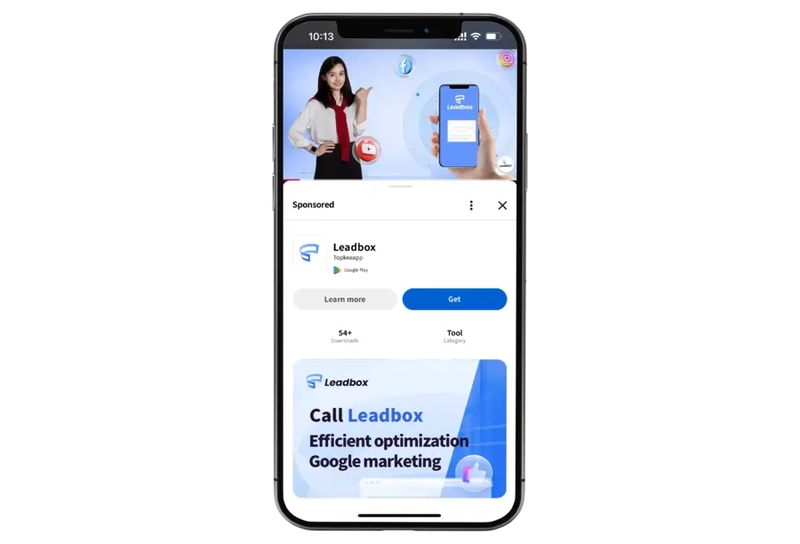
App Ads run automatically across Google’s network: Search, Play Store, App Store, YouTube, and beyond. Using smart advertising businesses targeting to get more installs and in-app actions fast.
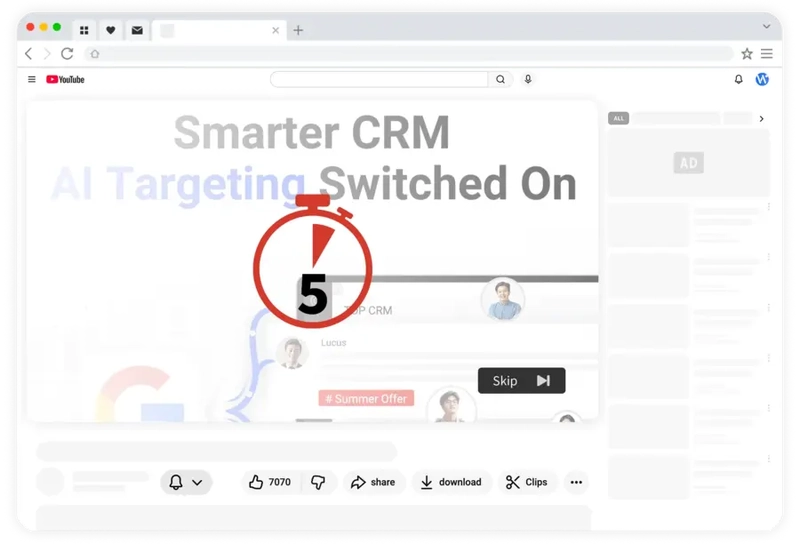
Skippable In-Stream Ads play before, during, or after YouTube videos, letting viewers skip after 5 seconds. They grab attention fast and only cost when people choose to keep watching. A flexible, cost-effective way to boost reach, awareness & Sales.
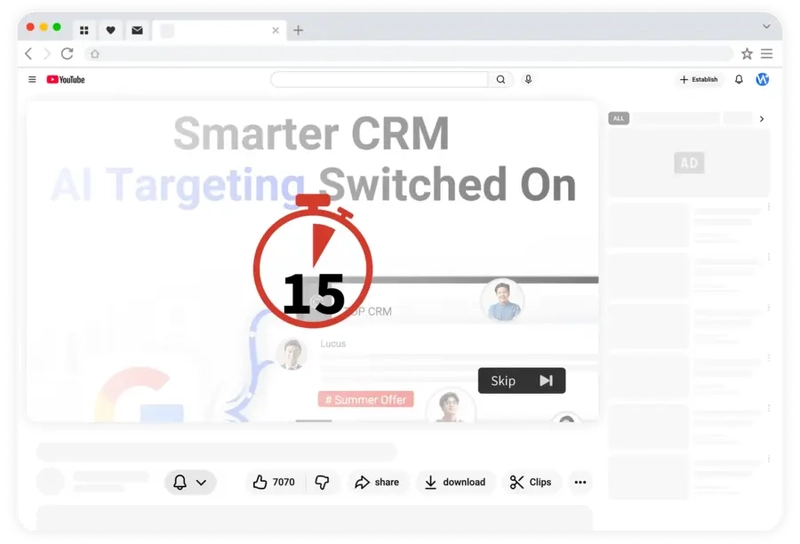
Non-Skippable In-Stream Ads: Up to 30 seconds long, played before, during, or after other videos. Viewers cannot skip the ad.
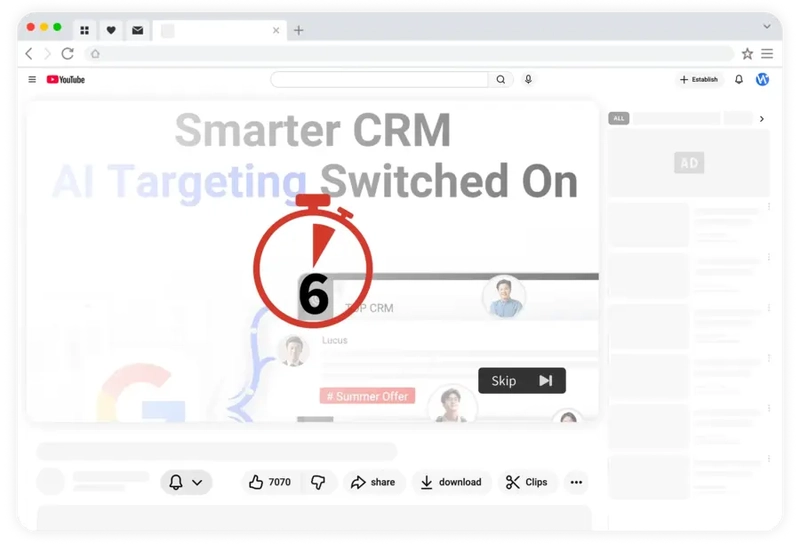
Bumper Ads: No longer than 6 seconds, played before, during, or after other videos. Viewers cannot skip the ad.
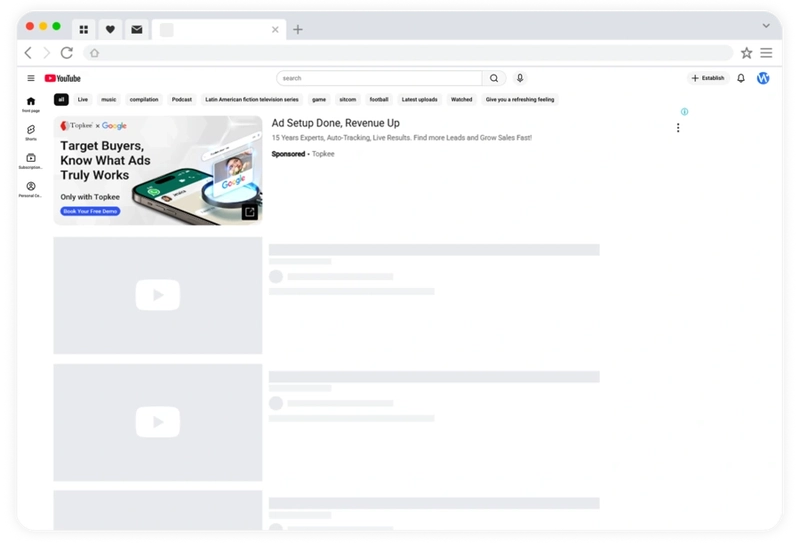
Video Discovery Ads: Consist of a video thumbnail and text, displayed next to related YouTube videos, in search results, or on the mobile homepage.
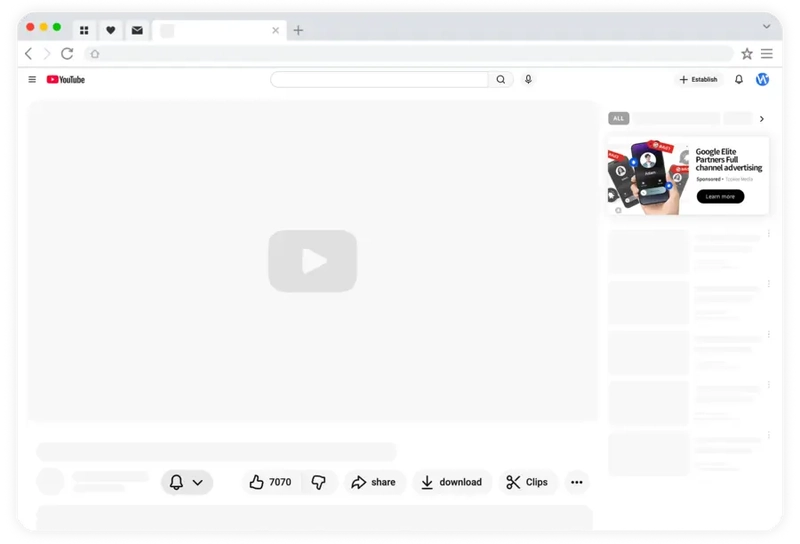
Masthead Ads: Automatically play featured videos at the top of the recommended content on YouTube homepage, helping businesses reach a large number of target audiences in a short time.
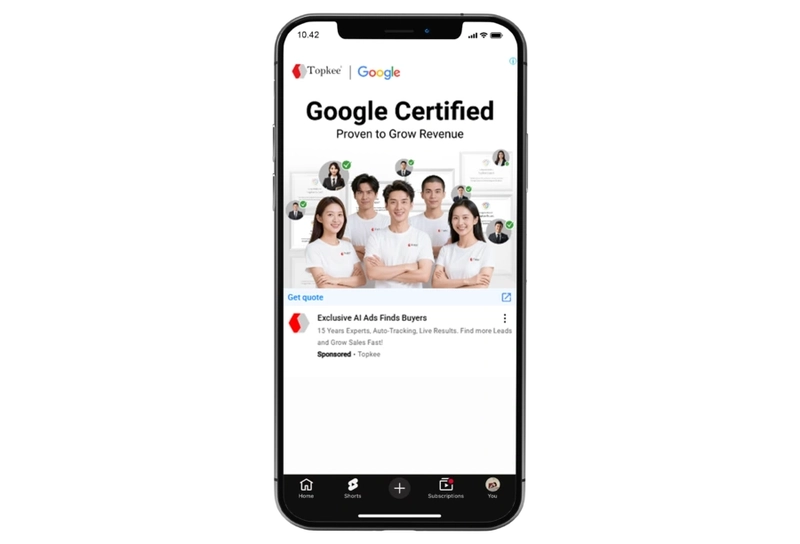
Shorts Ads: Served on tablets, mobile apps, and connected devices (such as streaming devices, game consoles, and TVs).
Performance Max is Google’s smartest, goal-focused ad format. One campaign that runs across Search, YouTube, Gmail, and Shopping using Google’s AI to find and convert your best customers. It’s the most efficient way to boost performance and maximize Sales.
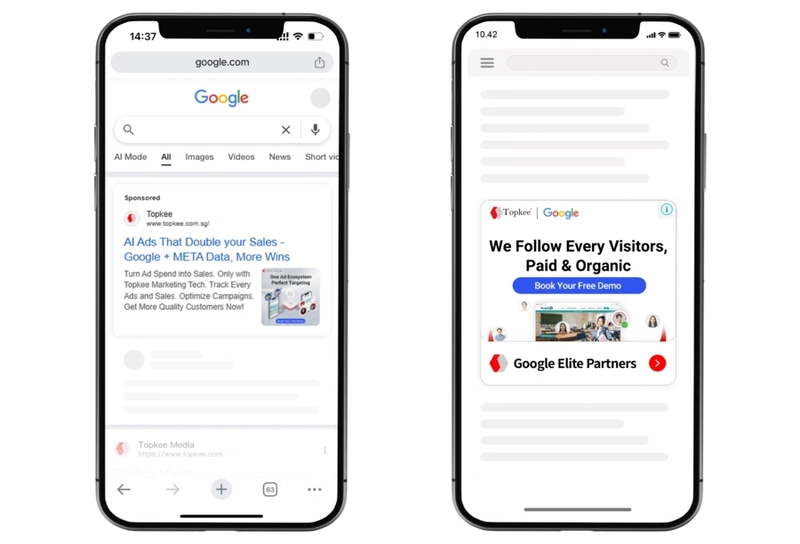
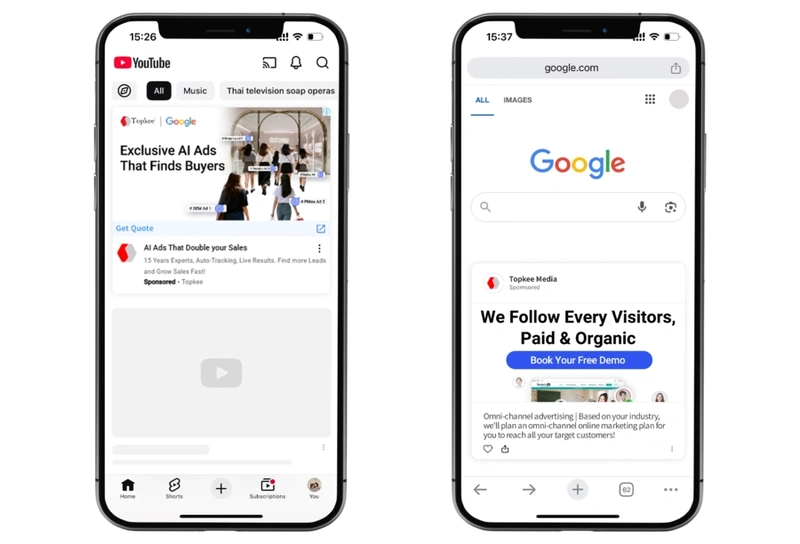
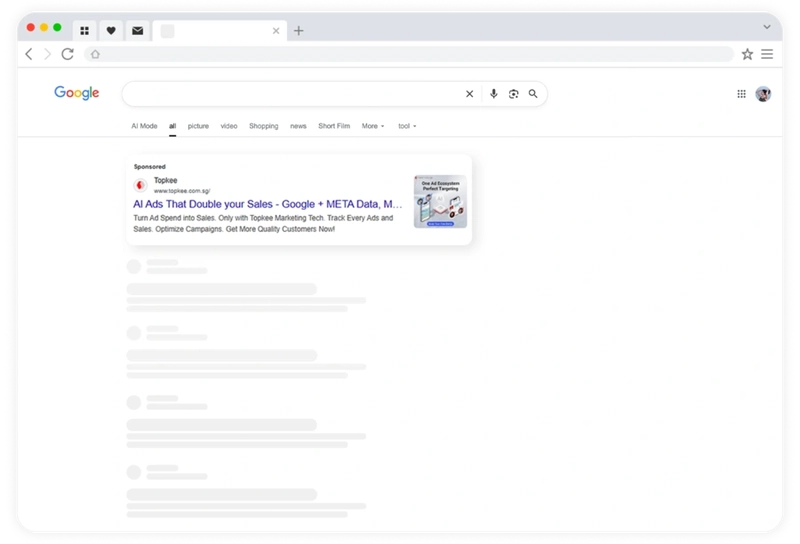
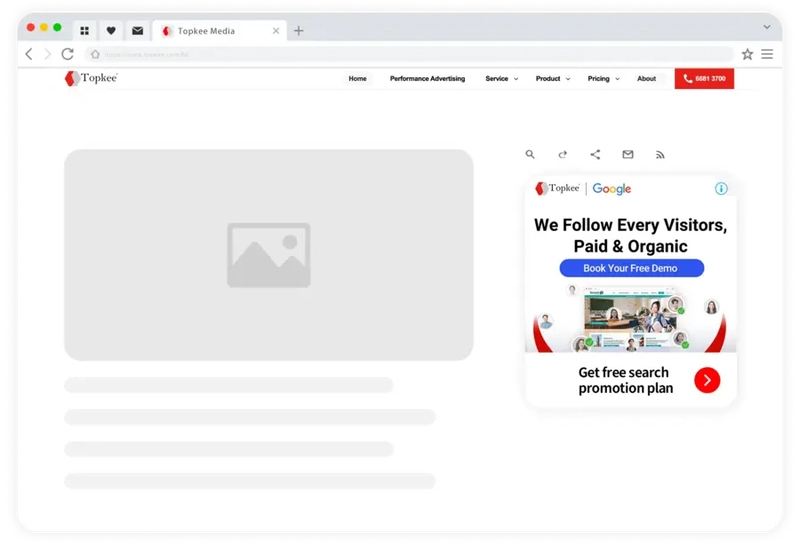
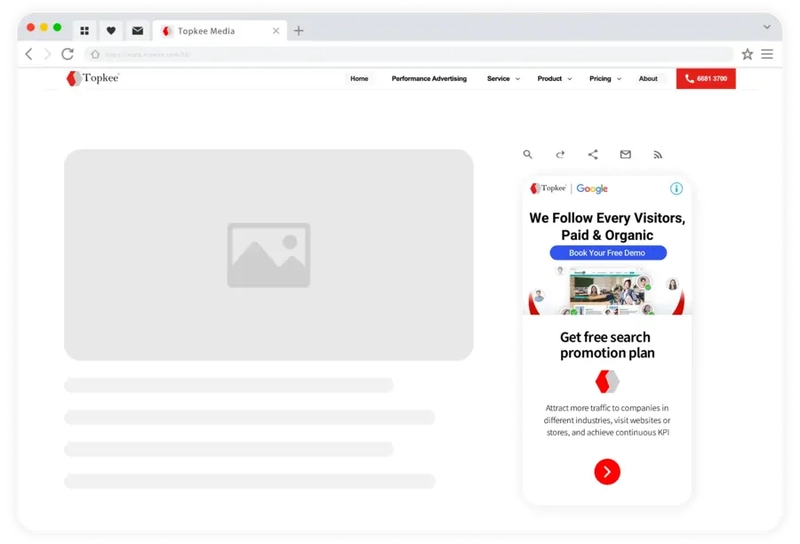
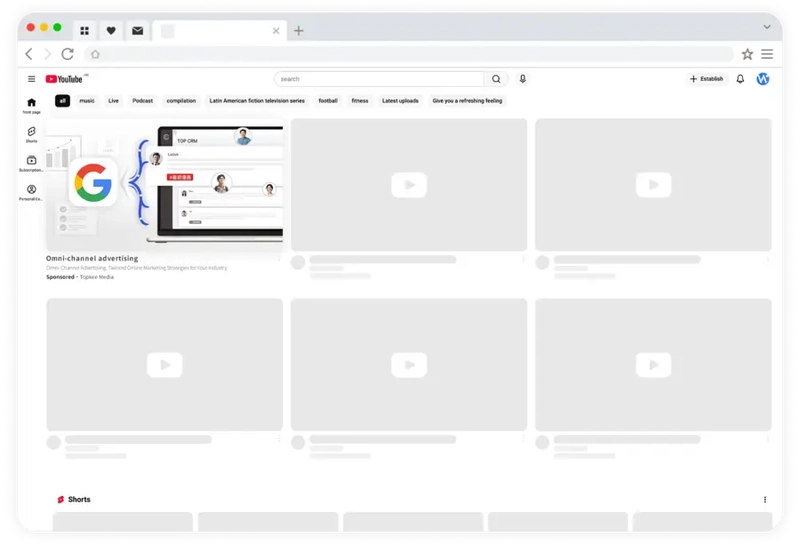
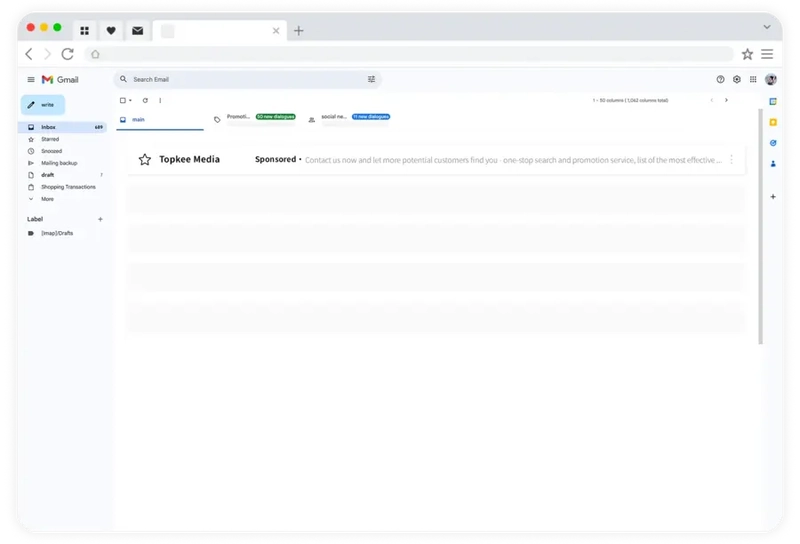
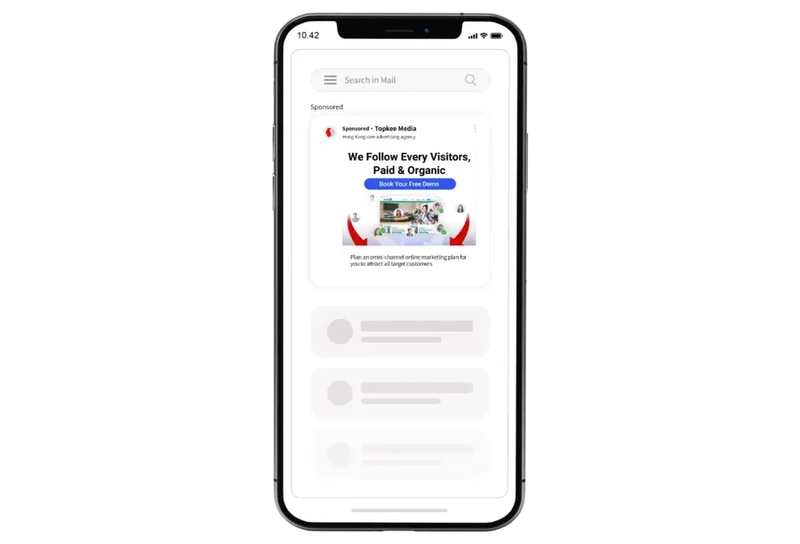
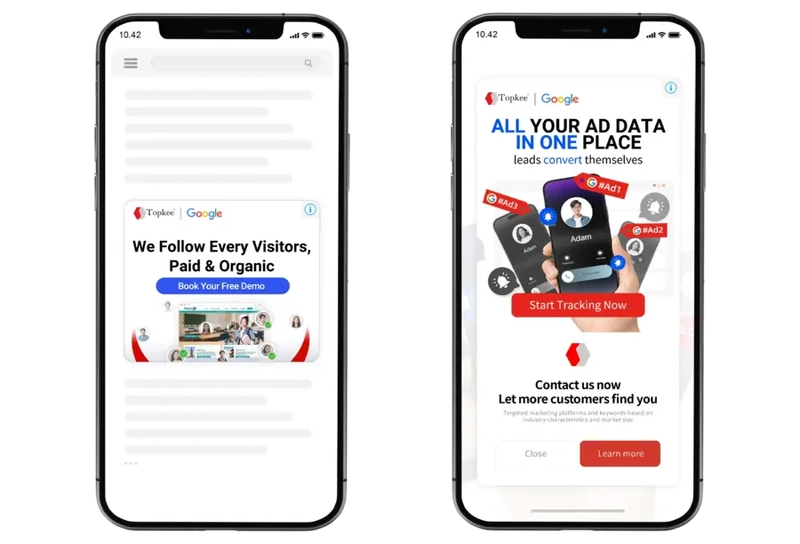
The Google Display Network puts your brand everywhere your audience goes. Across millions of websites, apps, YouTube, and Gmail. It delivers eye-catching visual ads that keep your business top of mind while customers browse, watch, and read online.
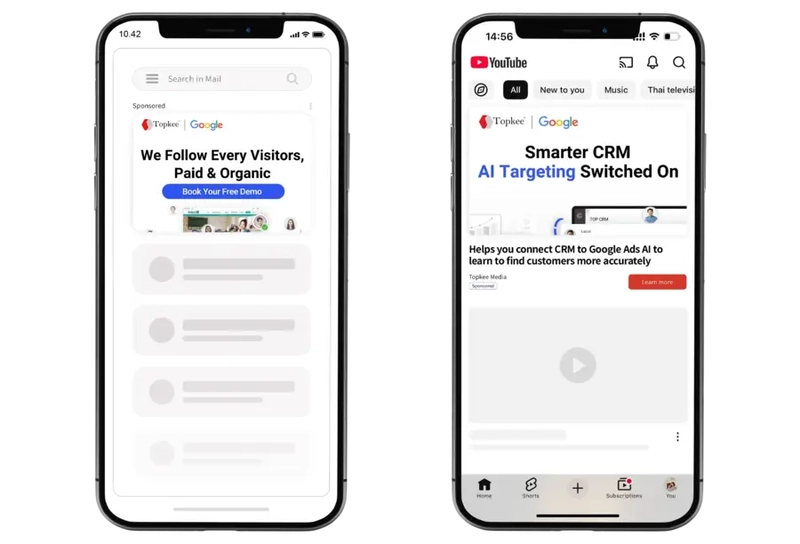
When people search for your business on Google, your sem google ads show up right where it matters. At the top of the results, it’s the classic and most effective way to advertise on Google and turn searches into sales.
Built-In Marketing Ecosystem
—far beyond traditional pay-per-lead generation companies.
Unified Data Layer
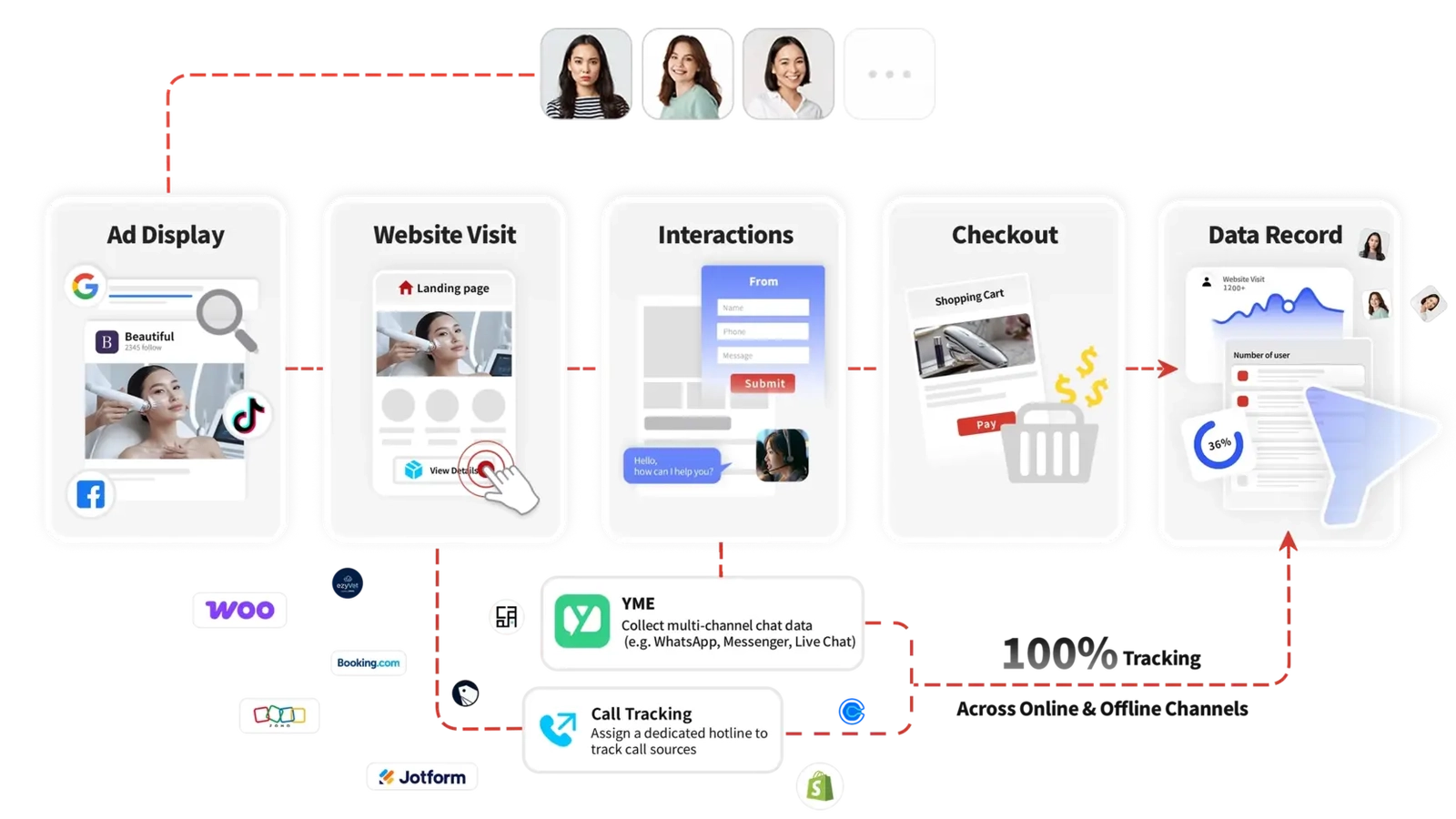
Assigns a unique TTCLID to every user across channels and integrates data from Google Sheets, Shopify, and Bookeo to get more leads for your business.
This unified data layer delivers precise attribution, deeper customer insights and revenue-driven optimisation—going far beyond what standard pay per lead generation companies offer.


Performance Control System
We translate complex marketing and sales data into clear, actionable insights, tracking performance from click to conversion to revenue.
This enables real-time optimisation, accurate ROAS measurement, and full visibility into what drives business results.



YME centralises all customer conversations across WhatsApp, Messenger, and Live Chat into one platform to get more leads for business.
YME centralizes WhatsApp, Messenger, and Live Chat into one platform to get more leads for business. AI pre-sales agents partner with human teams to automate inquiries and route conversion-ready leads, outperforming generic pay per lead generation companies.

Centralizes your entire pipeline from capture to revenue, making it easy to get more leads for your business.
Every interaction, status update, and conversion signal is tracked in one system, enabling teams to prioritise high-value opportunities, reduce drop-offs, and improve close rates with data-backed decisions.

Built for Speed

Weber enables rapid deployment of high-performance landing pages, designed specifically for paid traffic.
Every page is optimised for speed, clarity, and conversion, while seamlessly connected to tracking systems to capture user behaviour and feed real data back into optimisation.


System Architecture Layer

Custom APIs unify your entire marketing & advertising pipeline —from ads and landing pages to CRM and analytics— to get more leads for your business.
This eliminates data silos, enables seamless automation, and ensures every signal flows into a central system for optimisation and control.

Data, Unified. Insights, Actionable. Powered by TTO CDP
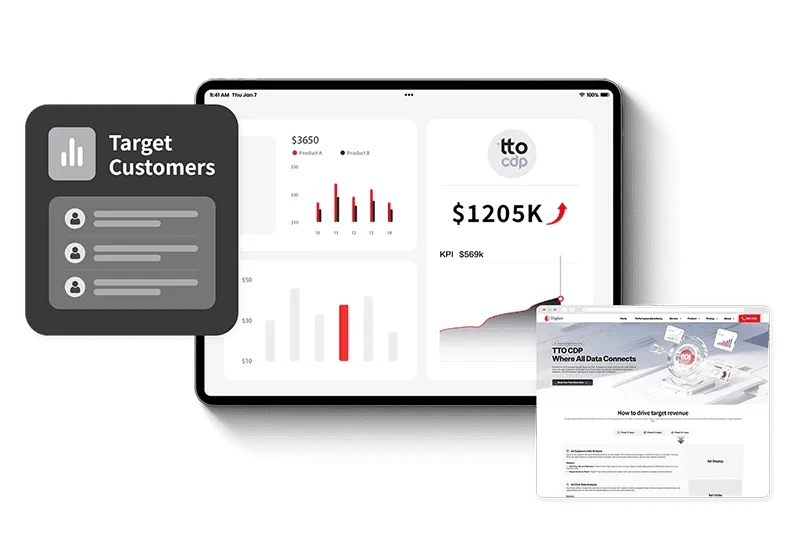
TTO CDP unifies your data across platforms, giving you full visibility, accurate attribution, and real-time control over performance.
 See the Full System
Build Personalized Pages That Perform
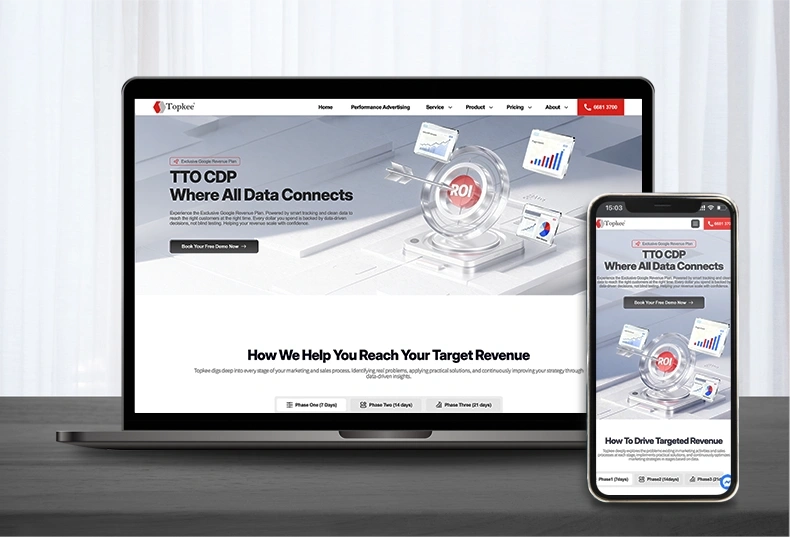
Clean, responsive, and built to convert wherever users land.
Smart Lead Capture That Qualifies Before You Sell
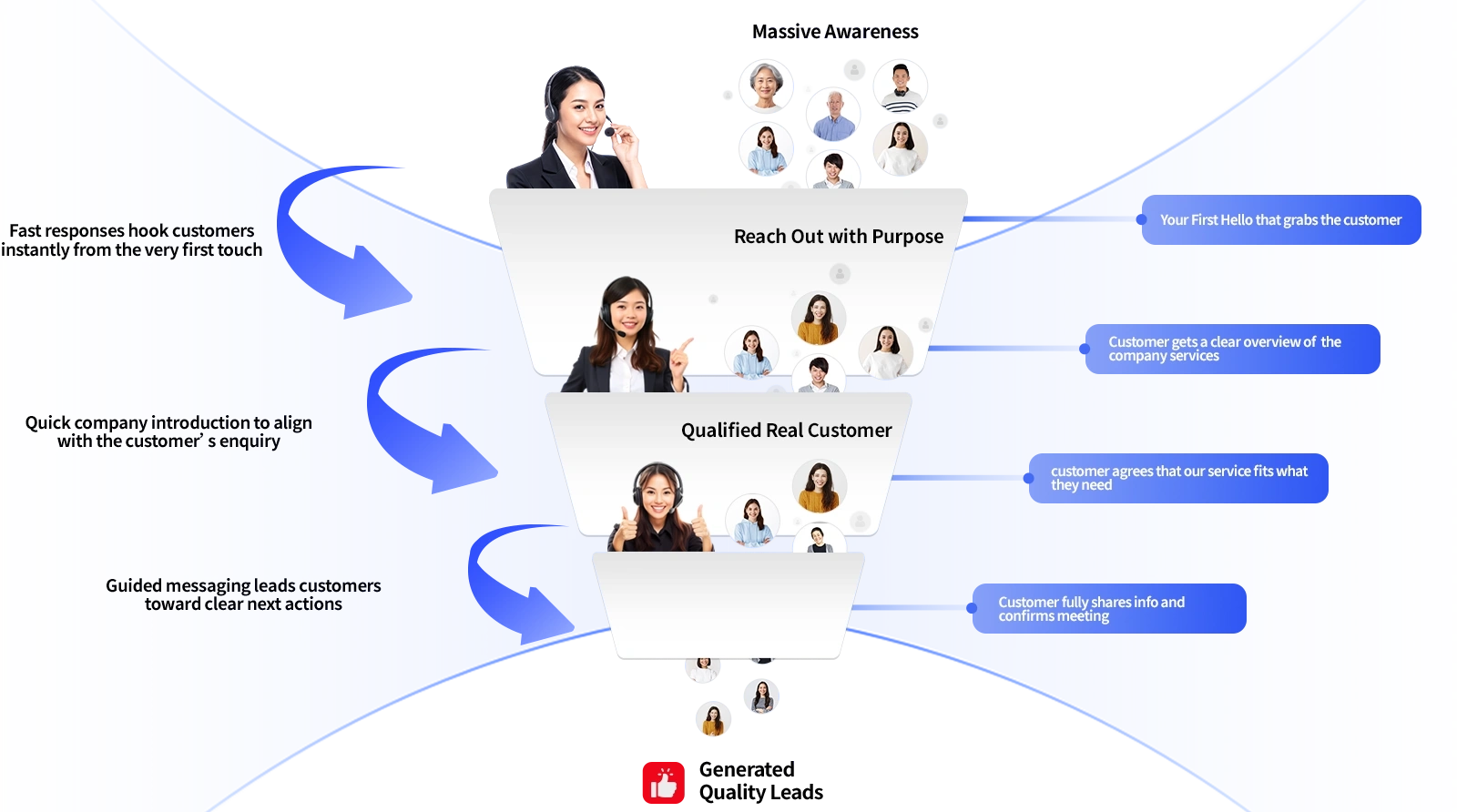
Smarter Funnels. Measurable Revenue.
We design full-funnel systems that align marketing, sales, and data to help partners generate quality leads and achieve predictable growth.
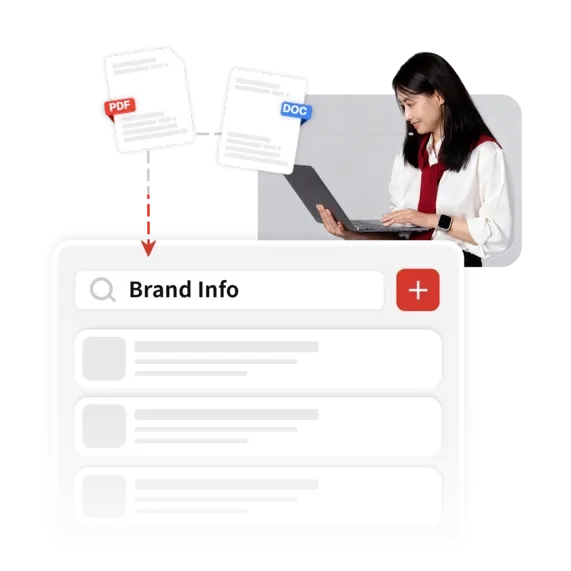
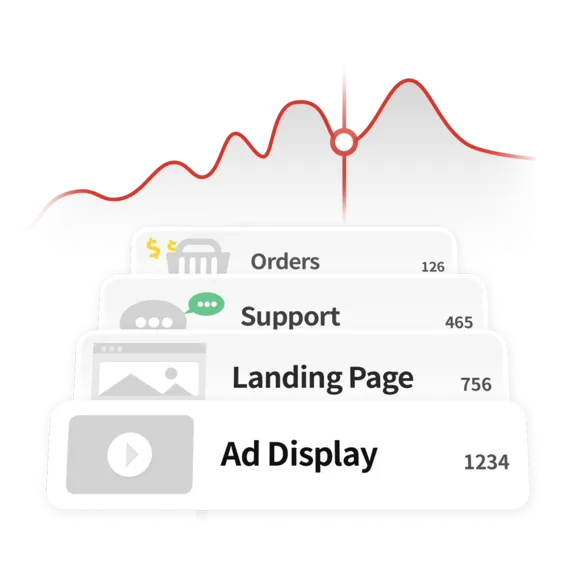
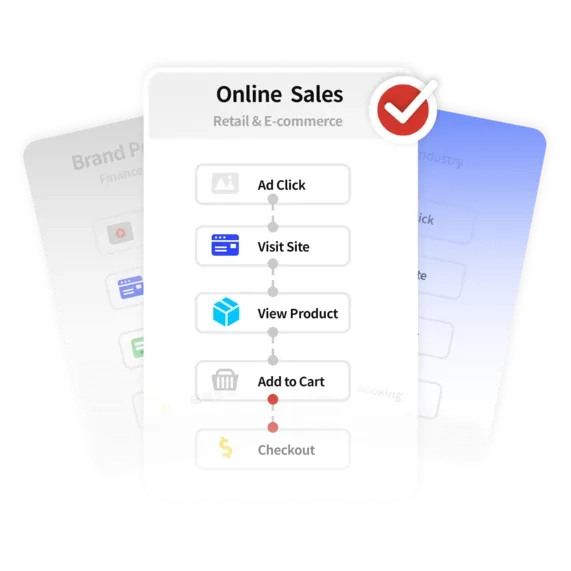
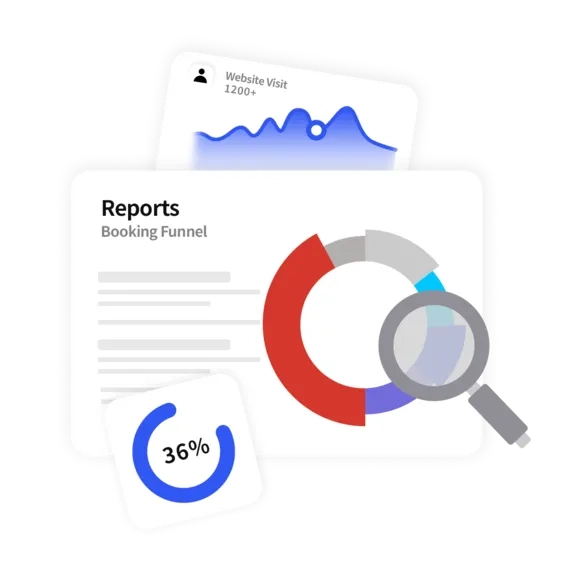
Connect Every Touchpoint. Capture Every Revenue.
Eliminate blind spots and gain full visibility from first click to final revenue.
 See Your Data Flow
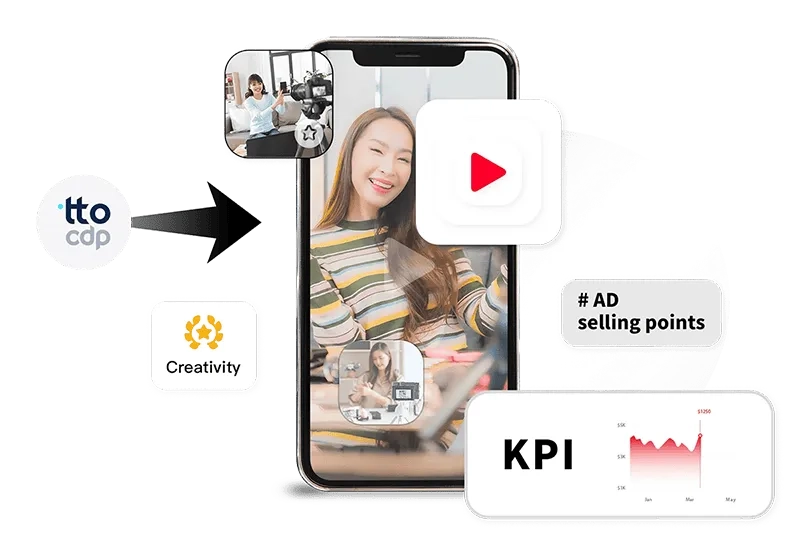
Creativity That Performs. Not Just Looks Good.
We test and scale high-impact creatives that drive revenue—delivering far better performance than traditional pay per lead generation companies.
- High-Impact Selling Points
Our AI engine identifies the real growth drivers within marketing & advertising. By combining data, audience signals, and proven conversion frameworks, we generate high-performing creatives built to deliver measurable business results, not just visuals.
- Performance Optimisation
Every creative is continuously measured against actual KPIs. We optimize campaigns based on real funnel data, consistently improving engagement, conversion rates, and overall ROAS across your marketing & advertising channels.
Social Engagement That Drives Real Intent
Real Business Results. Not Just Marketing Metrics.
In just one month, our SEM marketing campaign results went through the roof. ROAS skyrocketed from 500% to over 20,000%. Our ads ppc strategy delivered a massive 200× return, where every dollar spent brought in waves of high-value clients and real conversions. Through deep KPI tracking and smart ad optimization, we didn't just drive clicks. We filled calendars, boosted revenue, and turned this business into one of the most visible names in Singapore's market.

Customers book online with a deposit through the new Weber website, while corporate enquiries are captured and synced to Leadbox CRM. YME messaging supports instant Q&A, and the team follows up by phone to confirm details like session time and theme. On the day, customers complete payment on-site and enjoy a seamless, immersive escape room experience. Completing the full online-to-offline journey.

As one of the top marketing companies in Singapore, we helped a new brand doubled its ROAS within two weeks of Meta advertising, achieving a remarkable 2000% ROAS. High-quality lead attribution targeted the right audience, bringing more customers needing AC cleaning/installation, winning significant online revenue.

Pick the Right Plan. Scale with Confidence.


Lead Generation
Lead Generation
Lead Generation
Lead Generation